Security Patrol Residential/Commercial

A security guard is wearing a black jacket with the word security on the back

We offer a variety of unique Residential and Commercial Security Patrol Packages that are designed to meet your specific needs and concerns. You may create your own Residential Security Patrol Services package utilizing any or all of the below Services:


House Watch/Vacation Watch:

OUR FLAGSHIP RESIDENTIAL SERVICE. WHETHER YOU ARE LEAVING ON AN EXTENDED VACATION, SNOWBIRDING OR JUST TAKING OFF FOR A FEW DAYS, RESIDENTIAL SECURITY PATROL WILL RANDOMLY CONDUCT VEHICLE PATROLS THROUGHOUT THE DAY AND NIGHT WHENEVER YOU ARE AWAY FROM HOME (AND EVEN IF YOU ARE HOME IF YOU WISH). WE WILL PERFORM AT LEAST THREE PHYSICAL WALK-AROUNDS OF YOUR HOME CHECKING EVERY DOOR AND WINDOW EVERY 24 HOURS PER YOUR INSTRUCTIONS. OUR MARKED PATROL VEHICLES WILL CONDUCT PATROLS OF YOUR PROPERTY RANDOMLY THROUGHOUT THE NIGHT AND DAY. OUR HIGHLY TRAINED PATROL OFFICERS WILL INSPECT VULNERABLE AREAS WITHIN YOUR PROPERTY SUCH AS BUILDING & FENCE PERIMETERS, DOORS, WINDOWS, AND COMMON AREAS. THEY WILL IDENTIFY ANY SUSPICIOUS ACTIVITY AND MAKE CONTACT WITH ANY INDIVIDUALS WHO DO NOT BELONG ON THE PROPERTY. THIS SERVICE INCLUDES PICKING UP YOUR MAIL, PACKAGES, AND NEWSPAPERS, PLACING THEM IN A LOCATION OF YOUR CHOICE OR HOLDING THEM AT OUR OFFICE TO BE DELIVERED TO YOU UPON YOUR RETURN.


Security Watch:

PRIMARILY DESIGNED FOR HOMEOWNERS’ ASSOCIATIONS (HOAS), MOBILE HOME PARKS, LARGE APARTMENT COMPLEXES, AND THE LIKE, RESIDENTIAL SECURITY PATROL CONDUCTS RANDOM VEHICLE PATROLS, THROUGHOUT THE DAY AND NIGHT, IN CLEARLY MARKED SECURITY VEHICLES. WE PROVIDE A VISUAL AND PHYSICAL DETERRENT TO CRIMINAL ACTIVITY IN THESE TYPES OF AREAS.


Church Watch:

According to the national Church Security Network, crimes against Churches are on the rise! The network’s Executive Director, Jeffrey Hawkins, notes also that not all criminal activities are reported to a governmental agency and thus estimates the total number of crimes to be five to six times greater than that actually reported in 2009. A number of reasons Churches may not report such incidents is because of their stance on forgiveness or fear of public embarrassment, Hawkins says. Accounting for 64% of the crimes BURGLARY was the most frequently reported incident by Churches. 13% of the crimes were ARSON, and 7% were GENERAL THEFT. Such crimes, in addition to VANDALISM, have added up to more than $6.3 million in Church property loss in just a 6 month period in 2009. As you are no doubt aware, Churches of all denominations have been hit by vandalism and even hate crimes in Billings in recent years. Designed to support the Billings tradition of “Not in Our Town” attitude, Residential Security Patrol randomly conducts vehicle patrols of Houses of Worship at a significantly reduced rate. Our Security Officers, in marked patrol vehicles, will perform physical walk-arounds of your Church checking every door and window, either two or three times, every 24 hours. (Two times for Churches that are occupied in the day, three for those that are not). Our highly trained patrol officers will inspect vulnerable areas within your property such as building & fence perimeters, doors, windows, and common areas. They will identify any suspicious activity and make contact with any individuals who do not belong on the property.


Clinic Watch:

Medical and dental clinics are increasingly becoming the targets of choice for drug users, burglars, and even vandals. Although usually protected by an alarm system, these facilities often fall victim to the “Smash and Grab” whereby criminals break in regardless of the alarms and snatch up what they can and run for it. Our Security Officers, in marked patrol vehicles, will perform physical walk-arounds of your clinic checking every door and window, either two or three times, every 24 hours. (two times for clinics when they are occupied during the day, three for when they are not). Our highly trained patrol officers will inspect vulnerable areas within your property such as building & fence perimeters, doors, windows, and common areas. They will identify any suspicious activity and make contact with any individuals who do not belong on the property.


School Watch:

The first step in dealing with school crime and violence is acknowledging that it exists and reporting crimes when they occur. School leaders and elected officials often fail to recognize that parents expect schools to acknowledge and deal with problems head-on, while schools often fail to do so out of fear that parents will look negatively upon them for doing so. Our Security Officers, in marked patrol vehicles, will perform physical walk-arounds of your school checking every door and window, either two or three times, every 24 hours. (two times for schools when they are occupied during the day, three for when they are not). Our highly trained patrol officers will inspect vulnerable areas within your property such as building & fence perimeters, doors, windows, and common areas. They will identify any suspicious activity and make contact with any individuals who do not belong on the property.

By Jeff Spar December 28, 2025
Lessons You Only Learn by Doing the Job If Part 1 was about learning the trade the hard way, this part is about paying for those lessons. No one starts out perfect in process serving or private investigations. Anyone who tells you otherwise is lying or hasn’t been doing this very long. Early on, I made mistakes—some small, some costly—but every one of them shaped how I work today. Mistake #1: Knocking Too Soon Early in my career, I thought effort meant action—drive up, knock, get it done. What I learned quickly is that patience beats urgency. Knocking on the door too soon tips your hand. Once a subject knows you’re there, the game changes. Observation should come first. Always. Mistake #2: Talking Too Much I learned the hard way that silence is a tool. In the beginning, I explained too much—who I was, why I was there, what the papers were about. That only created resistance. You don’t need to overshare. Be professional, be calm, and say only what’s necessary. Mistake #3: Trusting “Good Information” Without Verification Addresses were wrong. Work schedules were outdated. “He’s always home at night” turned out to be false. Early on, I trusted information because it sounded confident. Experience taught me to verify everything. Assumptions cost time, money, and credibility. Mistake #4: Underestimating Documentation I used to think I’d remember details later. You won’t. Dates blur. Times get fuzzy. Early mistakes in documentation taught me that your notes protect you. Courts don’t care what you meant to write—only what you actually did write. Mistake #5: Not Trusting My Instincts Soon Enough There were moments early on when something felt off and I ignored it—only to realize later my instincts were right. Experience sharpens intuition, but you still have to listen to it. If a situation feels wrong, it usually is. Mistake #6: Taking Things Personally This job puts you in the crosshairs of anger, fear, and blame. Early on, I took reactions personally. That’s a mistake. This work isn’t about you. Once I separated emotion from execution, everything improved—my safety, my accuracy, and my professionalism. The Biggest Lesson of All Every mistake reinforced one truth: this is a profession, not a side hustle. Process serving and investigations demand discipline, ethics, and accountability. Shortcuts don’t last. Reputations do. Those early mistakes made me better. They’re the reason I approach every case today with preparation, restraint, and respect for the process. Thirty-one years later, the fundamentals still matter—and they always will.he body content of your post goes here. To edit this text, click on it and delete this default text and start typing your own or paste your own from a different source.
By Jeff Spar December 28, 2025
What 31+ Years in Process Serving and Investigations Really Teaches You Learning the Trade the Hard Way When I first stepped into the world of process serving and private investigations more than 31 years ago, there was no YouTube, no Facebook groups, no online directories, and no step-by-step guides. You learned by doing—or you didn’t last. I didn’t start out knowing everything. Nobody does. What I had was determination, curiosity, and a willingness to learn the trade the right way—by getting out there, making mistakes, paying attention, and adapting. Back then, process serving wasn’t about apps, GPS tracking, or instant skip traces. It was about observation, timing, patience, and knowing people. You learned quickly that knocking on a door was often the last step, not the first. You learned how neighborhoods worked, how people moved, when lights came on, when cars left, and when someone was likely trying not to be found. I learned early that this job isn’t just about handing someone papers. It’s about professionalism under pressure. You’re walking into tense situations. Emotions are high. People are scared, angry, embarrassed, or outright hostile. How you carry yourself matters. Your tone matters. Your judgment matters. There were no shortcuts. If you messed up, the court didn’t care why—you owned it. That responsibility shaped how I approached every serve and every investigation. Accuracy wasn’t optional. Documentation wasn’t optional. Integrity wasn’t optional. As I expanded into private investigation work, the lessons only deepened. Surveillance taught patience. Interviews taught listening more than talking. Skip tracing taught persistence. Every assignment reinforced the same truth: this field rewards those who take it seriously and exposes those who don’t. Over the decades, technology has changed, laws have evolved, and expectations have grown—but the fundamentals haven’t. You still need to know how to read situations. You still need to stay calm. You still need to be ethical. And you still need to remember that every case represents real people and real consequences. Looking back, I’m grateful I started when I did. Learning the trade the hard way forced me to develop instincts you can’t download and skills you can’t fake. It’s why I’ve lasted over three decades in an industry that chews people up quickly. Today, when I work cases or support newer servers and investigators, I bring every one of those early lessons with me. This isn’t just a job—it’s a profession. And if you treat it that way, it will carry you a long time. Thirty-one years later, I’m still learning. But I’ll never forget how it started—one door, one decision, and one lesson at a time.
Explore what it's like to be a process server in Roanoke, VA with Virginia Court Services
By info January 9, 2025
What would it be like to ride along with a process server in Roanoke? Let's get the day going and find out with Virginia Court Services, an established and vetted local process serving company in Roanoke.
Resident gets improperly served by process server in Roanoke
By info January 3, 2025
If you believe that you have been improperly served by a process server in Virginia, it’s crucial to know how to contest or quash the service. Hiring professional process servers at Virginia Court Services will help you avoid having your case thrown out.
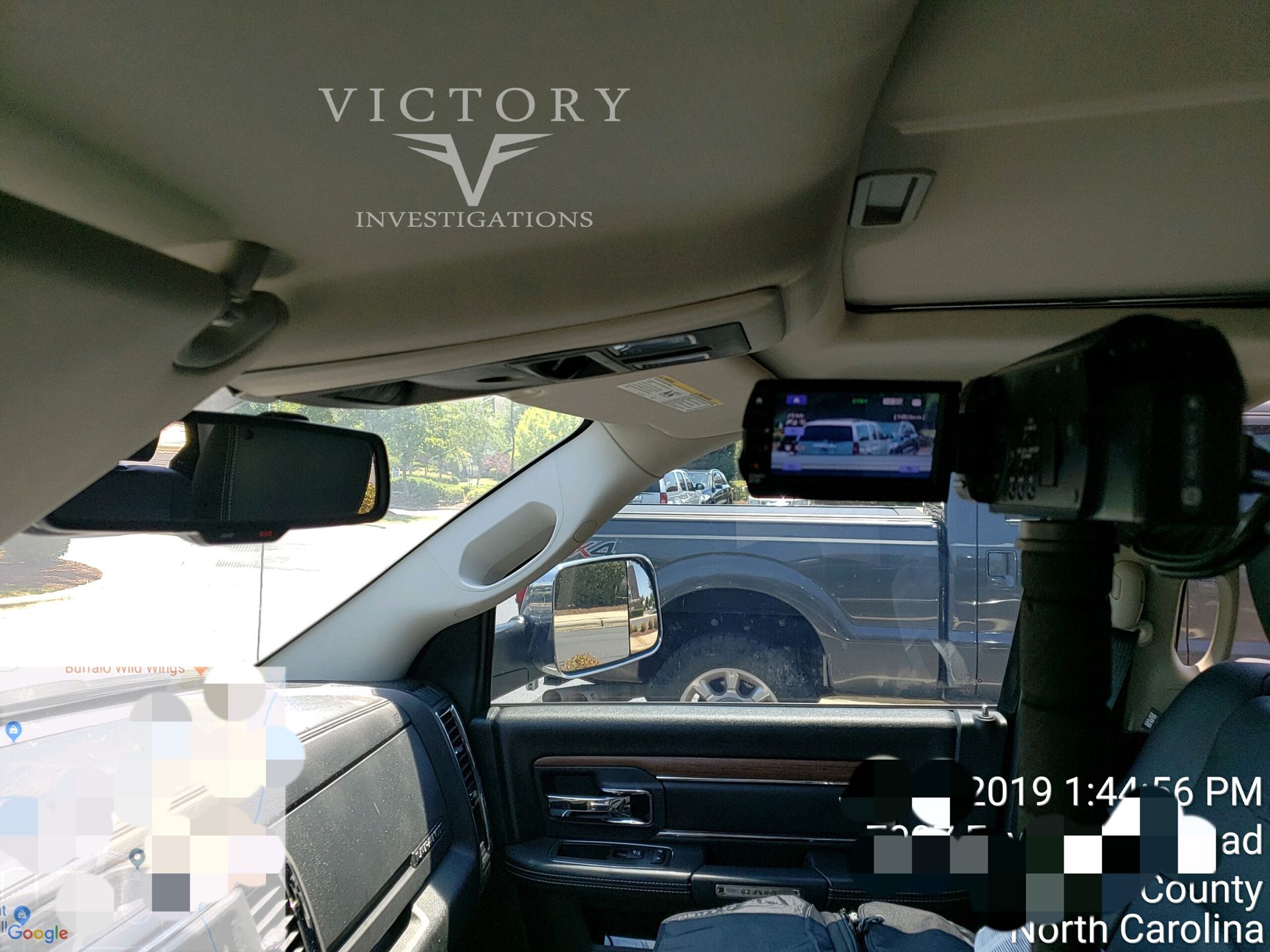
Private Investigator in Roanoke, VA performs surveillance
By info November 1, 2024
THE TESTIMONY OF PRIVATE INVESTIGATORS
A person is handing a key to another person.
By Jeff Spar October 14, 2024
Landlord Tenant Rights in Virginia
A blue sign that says workers compensation insurance on it
By info February 7, 2024
A workers’ compensation investigator may help companies determine when an employee is committing workers’ compensation fraud by conducting surveillance on the employee in question. Private investigators are often hired in this capacity to protect the business’ interests.
A request for a drug test is on a piece of paper
By info February 7, 2024
SCSI is a TPA (Third Party Administrator) for DOT random and computer-generated consortium programs. SCSI conducts (on-site or in-office) DOT and Non-DOT drug and alcohol testing for pre-employment, random, return to duty, and more.
A woman is sitting at a table with her head in her hands.
By info February 7, 2024
If you have a “gut feeling” that your spouse or lover may be engaging in unfaithful activities, you deserve to know the truth.
A magnifying glass is sitting on top of a clipboard.
By info January 26, 2024
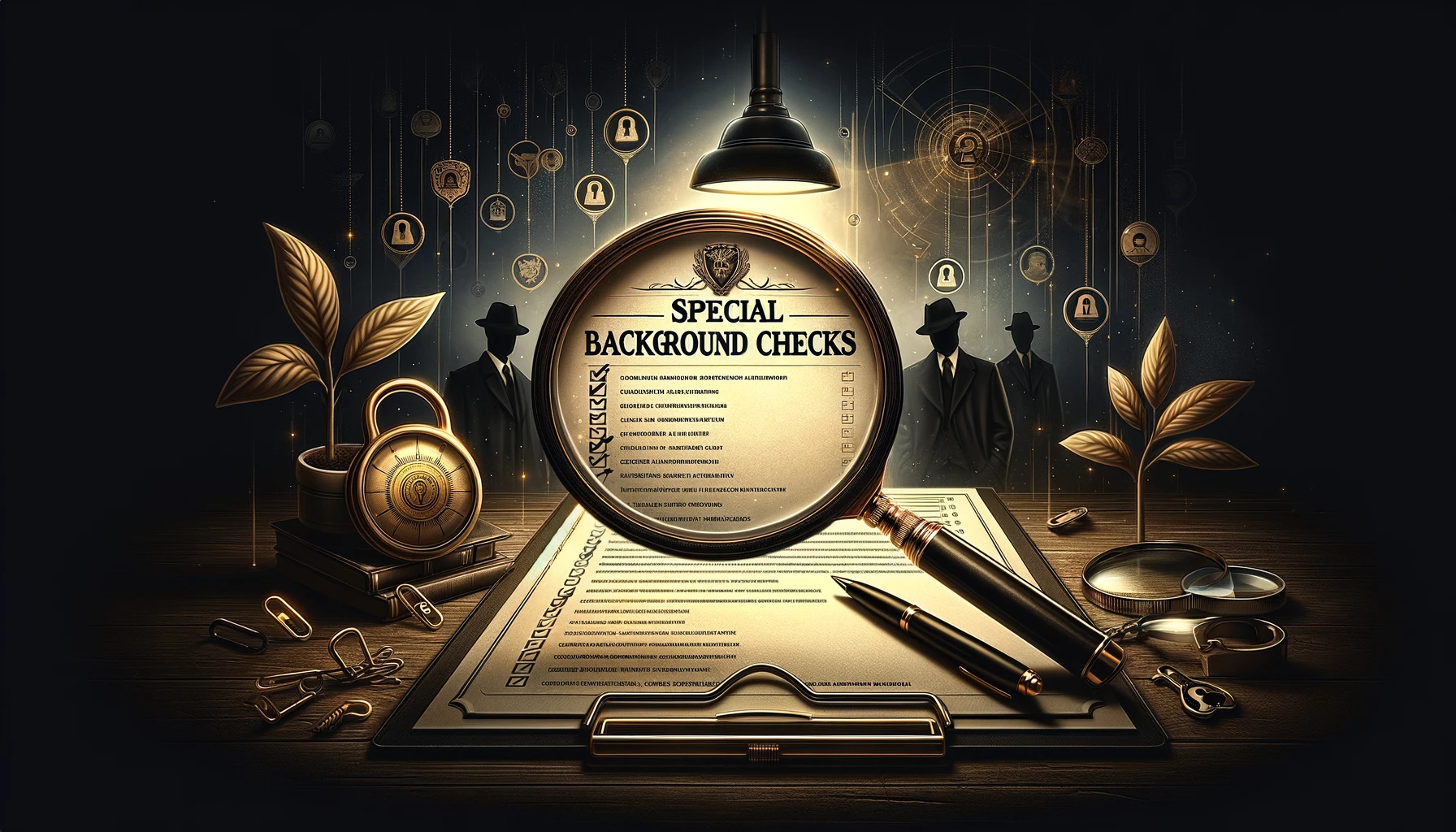
We provide investigative and litigation support services to businesses, in-house counsel and law firms by performing comprehensive non-employment background investigations and research of individuals, assets, locations, utilities and more.